
Finding Your Rhythm: How to work with your Energy, not against it
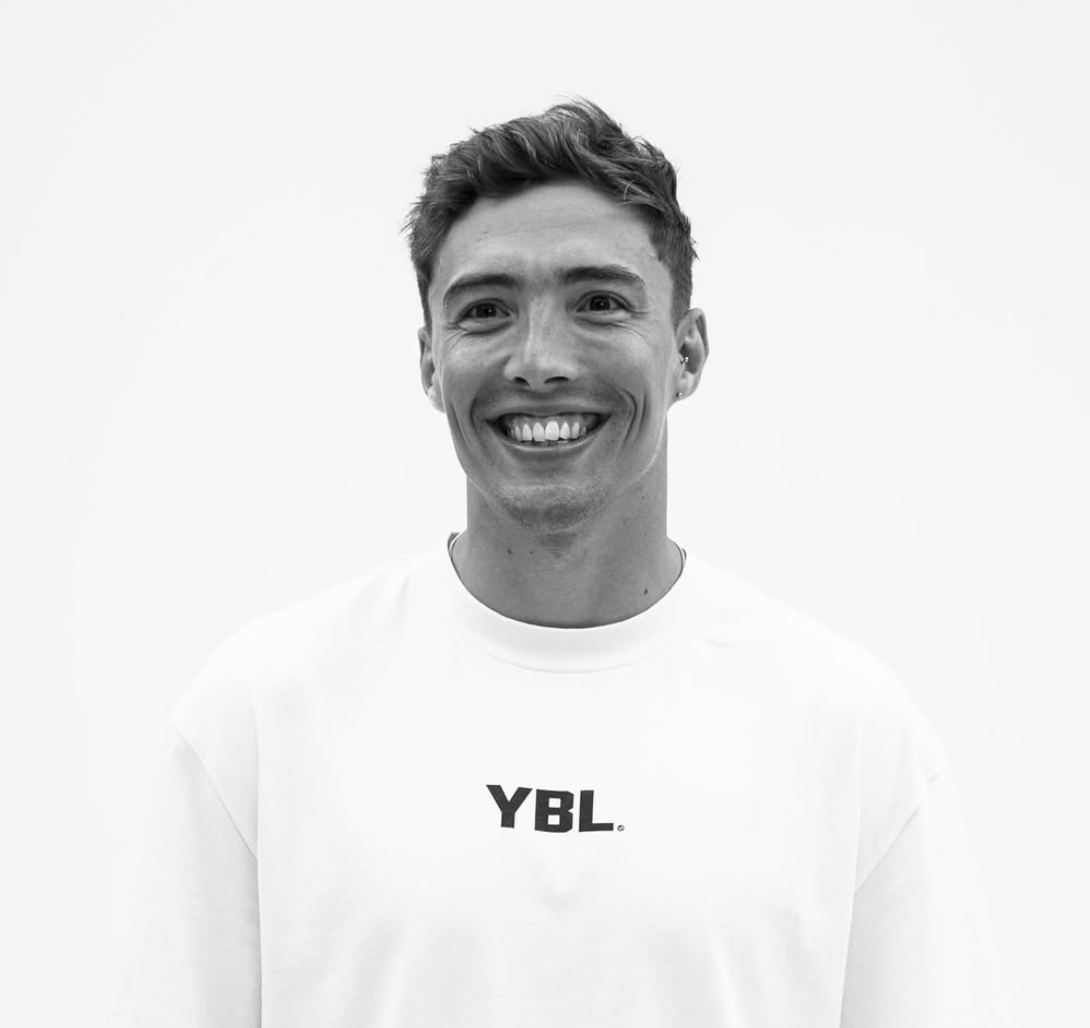
The most effective way to be more productive is by doing the right things at the right times.
We all chase productivity hacks. The latest app, the most satisfying to-do-list, that magic routine. But for me, the biggest game-changer for productivity isn't a piece of software, it's self-awareness.
Understanding when you do your best work, what kind of work fuels you and what kind of work drains you. Learn to work with your own beat rather than against.
The Type of Work That Fuels You (and What Drains You)
It’s not just when you work — it’s what you’re doing.
I’ve learned that some types of work completely drain me, while others light me up.
When I used to work a 9–5 office job, as a designer, (though it was actually an 'artwork assistant' for about 6 years because they wouldn't change my job title) I’d get home absolutely exhausted — mentally wiped. Yet, looking back, the amount of actual productive work I did in those long hours was often less than what I now achieve in a focused four-hour burst during my morning power zone.
I remember thinking then - in my young naive ways - if I could get all of my work done could I go home early? Oh, Adam.
Fun side note: In this same role, I was once pulled by a member of the senior management team for 'looking like I wasn't doing anything'. I was quite upset and worried, thinking my work wasn't of good quality or I was missing deadlines I had somehow forgotten about. When I questioned it, I was told my work was great, everyone is very happy with me and I conduct myself well across the business - but I just look "too chilled." Who knew wearing crocs and boardies to work would give off such an impression?
Anyway, on the flip side of the 9-5, I can do an endurance race or swim for six hours straight — no food, just water — and come out physically tired, yes, but mentally charged. Because that kind of challenge fuels me. It excites me. It connects to something deeper than just “getting work done”.
Your energy isn’t about how much time you have, it’s about the alignment between the task and what gives you energy back.

The Power Hours
For me, the rhythm starts early. Really early.
My power hours — when I feel most alive, creative, and motivated — are between 6am and 10am. This is where I conquer the day.
I train early, clear my head, and then jump straight onto the computer while most people are still asleep. The world is quiet, the inbox is empty, and my brain feels sharp. Endorphins are flying from the conditioning or strength session. This is my creative zone.
These hours are where I hit the big tasks: logo design, client projects, brand thinking, creative problem-solving.
When 9am rolls around and you’ve already boxed off half your to-do list, it sets the tone for everything else. You feel ahead, and that little sense of momentum carries you through the day.
The Mid-Morning Dip
After that burst, the energy starts to tail off. Back in the office job, I used to fight it — powering through with caffeine, telling myself to “just keep going”.
But here’s the thing: you can’t sprint all day. Creativity isn’t a tap you can leave running.
So now, when the slump hits mid-morning, I switch gears.
That’s my time for admin — invoices, scheduling, emails, quotes, all the unglamorous but necessary stuff that keeps a business moving. Some people enjoy this stuff and to a certain extent - so do I when I can track work and see how the business is performing. But on a whole... it f*cking drains the life out of me.
However, whilst it’s not my favourite work, it doesn’t demand deep thinking. So I can do it while I'm slumping. It's not like if I did this work 6-10am when I'm most alive, I could do it better. Okay, maybe quicker? But ultimately, sending an email, drafting an invoice, tracking work - there's only really one way to do it. So doing this stuff in my creative zone would be a waste.
It's about using the right kind of energy for the right kind of task.
The Reset
So once the admin has well and truly brought me to that place where I definitely WOULD get told off for looking too chilled, I've hit the wall.
Rather than forcing through, I stop. Properly stop.
Not the “five-minute break and scroll Instagram” kind of stop. I mean a real reset — something completely different to the work environment.
I’ll take Pickle, our wire-haired dachshund, (whose father was on the cover of Country Life Magazine 2022) for a walk along the coast. Or I’ll go to the gym if I didn't train in the morning. Or swim.
Something that switches my brain off from work mode entirely. It's not slacking off. It’s charging up. You can’t think clearly in the same space that made you tired. Plus, just like you have physical health and mental health, you can be physically tired and mentally tired. So do the opposite in your break.
Refuel and Return
After the reset, I’ll have lunch — usually my first meal of the day. I run best on a 14-hour fast; it keeps me feeling clear and focused. But that doesn't work for everyone, we're all different.
Once I’ve eaten and moved a bit, I’m ready to go again — but this second session looks different to the morning.
It’s shorter and lighter, around two hours of good focus. I’ll pick up client designs, concept work, or strategy tasks.
Then, as the afternoon slump creeps in, I use that lower-energy zone for admin again — file management, quotes, scheduling posts, tidying up loose ends or replying to emails.
By 4 or 5pm, I step away. It’s a conscious decision — to make my business feel like a job I go to, not something that consumes every hour I’m awake.
The Late-Night Spark
And then, sometimes, like clockwork — 9 or 10pm hits, and the ideas come back.
It’s not always healthy to dive back into work, but creativity doesn’t stick to office hours. So if the ideas are flowing and it’s not intruding on personal time, I’ll sketch, brainstorm, or design for 30mins to an hour.
Sometimes, you just have to strike when the iron’s hot.
Where It All Came From
I’ve always been a morning person. Maybe it’s from years of doing my cystic fibrosis treatments early before school, or from the time I was juggling multiple businesses and a full-time job.
When I was first building Sandance Creative, the only time I could work was before 8:15am, before leaving for my day job. I was running another business, managing an Amazon store, and trying to keep my health in check.
If I wanted to move my dreams of having a design business, it had to happen before sunrise. Those mornings taught me discipline — but more than that, they helped me find my rhythm.
Find Yours
The point of all this isn’t to copy my schedule. It’s to find your own.
Track your day for a week. Take note of when you feel switched on — and when you fade. What kind of work makes you buzz? What kind takes it out of you? Chances are, you'll find a pattern.
Then, shape your day around it. Protect your high-energy hours like gold. Use your dips for tasks that don’t demand much from your brain.
Productivity isn’t about doing more — it’s about doing the right work with the right energy.
Find your rhythm, protect it, and everything else starts to flow.

Comments